
Alcohol and Social Anxiety: How Drinking Makes Anxiety Worse Long-Term
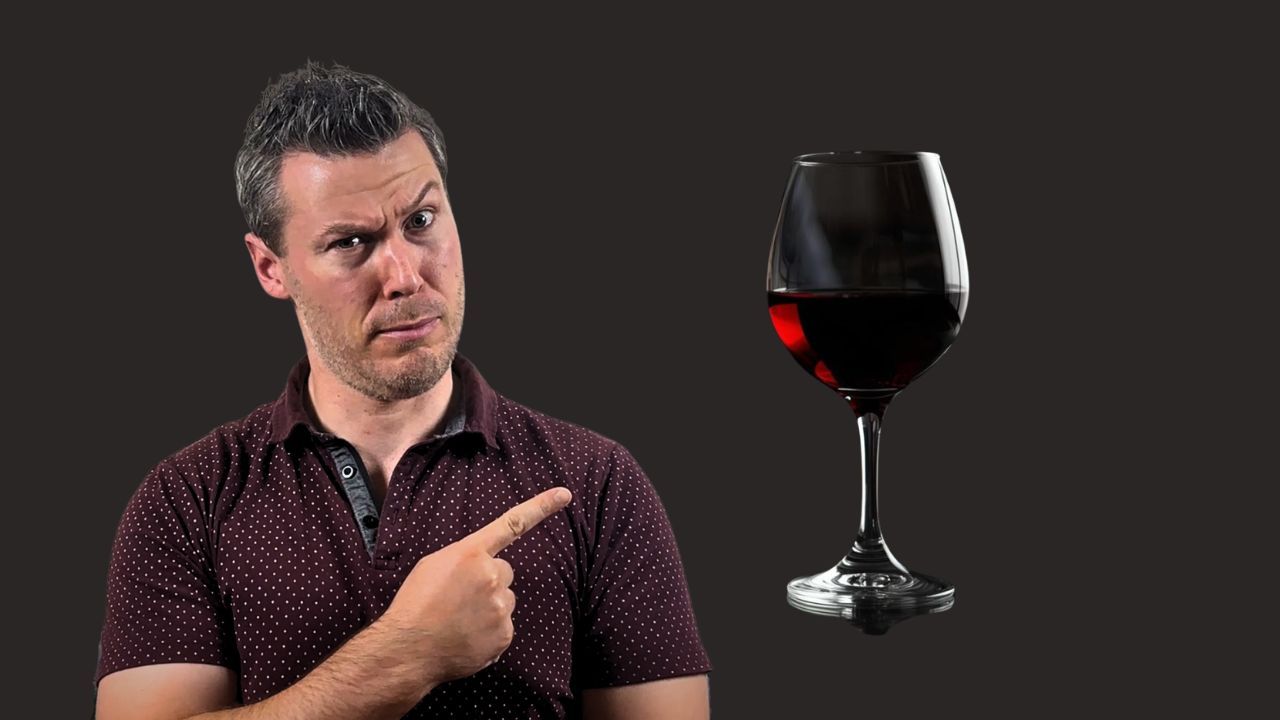
You're at a party and your heart is racing. Your palms are sweaty, your mind goes blank, and you're already planning your escape route. So you grab a drink to take the edge off.
It works... for that night.
But here's what most people don't realize: that beer you just drank to calm your nerves is actually making your social anxiety worse in the long run.
If you've experienced this, you're not alone. Studies show that people with social anxiety are two to three times more likely to use alcohol as a coping mechanism. After 12 years of treating anxiety and analyzing the research, I've discovered three things most people believe about drinking for social confidence that are completely wrong.
Why Alcohol Seems to Help Social Anxiety (But Doesn't)
When you drink alcohol, it affects your brain's GABA system. GABA is like your brain's brake pedal – it slows things down and reduces activity in the parts of your brain responsible for worry and fear, particularly your amygdala.
Within about 20 minutes of having a drink, your racing thoughts slow down, your body relaxes, and talking to strangers doesn't feel quite so terrifying.
This effect is real. Brain scans have shown the amygdala genuinely becomes less active. Your prefrontal cortex, which houses your ability to overthink every word you're about to say, gets quieter too.
But there's a massive gap between what seems to work right now and what actually works over time.
Myth #1: Drinking Helps You Learn Social Skills
The logic goes: "If I drink at parties, I'll be more relaxed, I'll practice socializing, and eventually I'll get better at it even without alcohol."
Here's what the research actually shows: when you're drunk or even just tipsy, your brain doesn't properly encode the social experience.
Imagine trying to learn to ride a bike while someone's holding you up the entire time. Yes, you're technically riding the bike, but you're not actually learning the skill of balancing.
State-Dependent Learning: The Science
This is what researchers call "state-dependent learning." Any confidence you build while drinking doesn't transfer to sober situations. It's like trying to save a document on one computer and expecting it to appear on a completely different computer.
Every time you use alcohol to get through a social situation, you're actually reinforcing to your brain that you CAN'T handle social situations without it. You're teaching yourself that you need alcohol to function socially.
The anxiety you're trying to escape? You're actually making it stronger.
In the hundreds of clients I've treated, I've seen this pattern dozens of times. Someone starts drinking at university parties to feel less awkward. Fast forward five years, and they can't attend any social event without having a few drinks first.
Myth #2: The Anxiety Afterward Is Just a Hangover
There's something called the "rebound effect" that nobody talks about.
Remember how alcohol increases GABA activity to calm you down? Your brain doesn't like being thrown off balance. While you're drinking, your brain is already starting to compensate by reducing its natural GABA production and increasing glutamate – your brain's accelerator pedal.
The Rebound Effect Explained
Even if you only have two or three drinks, the next day you might feel more anxious than before you drank anything at all. Your brain's anxiety system has been cranked up to counteract the alcohol, and now that the alcohol is gone, you're left with an overactive anxiety response.
This isn't just a 24-hour thing.
Studies show that regular drinkers – even people who only drink socially on weekends – have baseline anxiety levels significantly higher than people who don't drink.
One study found that people who drank to manage social anxiety had anxiety levels 30% higher than before they started drinking regularly, even when measured on days they hadn't consumed any alcohol.
Think about what that means: the very thing you're using to reduce your anxiety is actually increasing your baseline anxiety level.
Myth #3: "I Can Control It"
People with social anxiety are two to three times more likely to develop alcohol use disorders compared to people without social anxiety.
If you've found something that reliably makes your anxiety disappear, even temporarily, your brain is going to want that again and again. That's just how our reward systems work.
The Progression Is Predictable
I've worked with clients who started with one glass of wine at dinner parties and ended up unable to attend any social event without pre-drinking.
The progression:
- You start needing a little more to get the same effect
- You feel anxious about situations where you can't drink
- You start avoiding events where alcohol isn't available
- Now you're not managing your social anxiety AND you've added a substance dependency on top of it
Your midbrain is constantly learning what brings reward. Every time alcohol relieves your anxiety, your midbrain strengthens that connection: Alcohol equals relief. Alcohol equals safety. Alcohol equals being able to function socially.
This is the same system involved in all addictive behaviours. It's not a moral failing or weakness – it's how the brain's reward prediction system works.
What Actually Works: Structured Exposure Therapy
The research is clear: the only way to genuinely reduce social anxiety long-term is through exposure – facing social situations while sober and allowing your brain to learn that these situations aren't actually dangerous.
Your anxiety is giving you false information. It's telling you that something catastrophic will happen if you go to that party sober, if you speak up in that meeting, if you introduce yourself to someone new.
The Real Learning Process
When you actually do these things without alcohol numbing your experience, your brain gets new data:
- You survived
- People didn't reject you
- The anxiety peaked and then naturally came back down
That learning only happens when you're sober.
In my program, we use structured exposure exercises. We start small – maybe just saying hello to a barista and making brief eye contact. Then we progress to slightly more challenging situations.
Over a surprisingly short period, most clients see their anxiety level halve. That's the data from the 143 people who have completed my program.
Those gains last because their brain has actually learned a new pattern: Sober socializing doesn't equal danger. It equals "I can handle this."
The Bottom Line
Alcohol might seem like it's helping your social anxiety in the moment, but it's actually making it worse in three ways:
- It prevents you from learning real social confidence through state-dependent learning
- It increases your baseline anxiety through the rebound effect
- It puts you at much higher risk of developing alcohol dependency
I'm not saying you need to go from drinking every weekend to complete sobriety overnight. But if you want to genuinely reduce your social anxiety rather than just mask it, you need to understand what's actually happening in your brain.
Maybe it's time to question whether the strategy you've been using is actually working – or just feels like it's working in the moment.
Ready to Learn Evidence-Based Techniques?
If you want to learn proven methods for managing social anxiety without relying on alcohol, check out my Anxiety Elimination Program where I teach a structured process that has helped hundreds of people get relief from their anxiety.

